A 5–10 MINUTE ACTIVITY
An egg-and-elephant beginning check
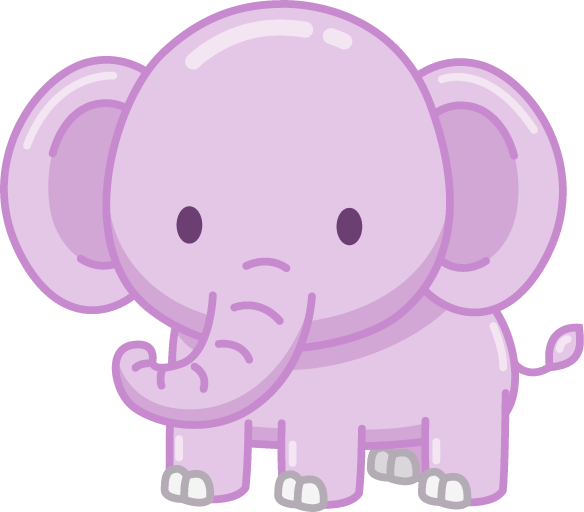
Use the displayed picture, two or three large paper letter cards and a familiar spoken example. No independent word reading is required. Begin with a modeled turn; stop or simplify if the task becomes a vocabulary or motor challenge.
Name the elephant picture, then say egg. Ask the learner to listen to the first part, not repeat the whole long word quickly.
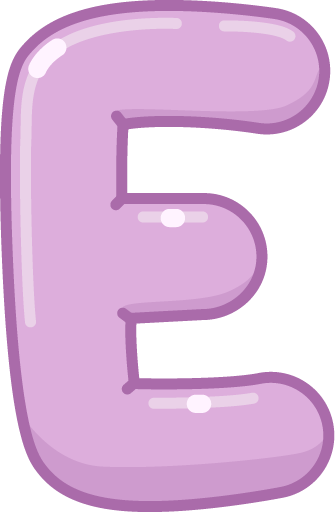
Put E and e together and connect them to the short-e examples. Use an adult-drawn egg as a second visual cue.
Say egg, sun, end and elephant. Invite the learner to lift or point to e when a word begins like egg.
Teach it. Then check.
Objective
Recognize E/e and connect the selected short-e examples with the letter.
Check for learning
Show E/e and A/a and say egg. Can the learner select the target pair after hearing both example words?
Make it more accessible
Begin with egg and one contrast; provide the word instead of requiring picture naming.
Extend when ready
Compare egg with even and discuss why knowing a letter name is not the same as knowing every sound it may represent.
Try it at home
At a meal or in a picture book, find one written E/e and ask an adult to read its word. Use egg as the short-e reminder.