

A 5–10 MINUTE ACTIVITY
Jelly or not?
Use the displayed picture, two or three large paper letter cards and a familiar spoken example. No independent word reading is required. Begin with a modeled turn; stop or simplify if the task becomes a vocabulary or motor challenge.
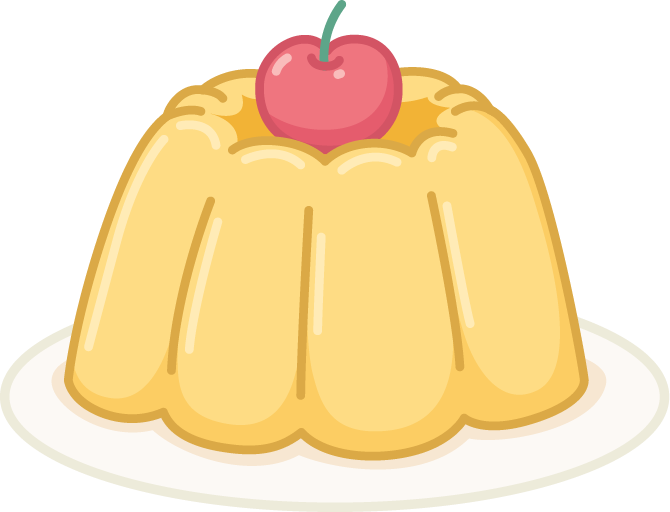
Say jelly and jam with the picture visible. Model their beginning briefly, without adding a separate ‘uh’.
Match J and j. Let the learner find the dot on j and compare it with a nearby i card.
Say jam, sun and jet. Ask the learner to select the j pair for the target words and describe what they listened for.
Teach it. Then check.
Objective
Recognize J/j and identify the initial sound shared by the chosen j words.
Check for learning
Ask which begins like jelly: jet or moon. Then offer j and i as a visual choice, with support if the dot distracts.
Make it more accessible
Start with two named pictures and keep the other letter visually distinct, such as m.
Extend when ready
Compare jam and gem as an adult-led spelling observation; the similar sound does not make their first letters identical.
Try it at home
Draw a pretend jar of jam and add J/j with a grown-up. Read the label rather than treating an unfamiliar brand name as a sound example.